Research on Interactive Co-creation in Horror and Thriller TV Series
中文标题:基于影视剧类型的互动共创
This research explores how interactive media features can be embedded into horror and adventure TV series without breaking narrative immersion. The case study is Candle in the Tomb: The Lost Caverns (鬼吹灯之龙岭迷窟), a suspense-adventure drama directed by Fei Zhenxiang and starring Pan Yueming, Zhang Yuqi, and Jiang Chao.
中文要点:本研究以《鬼吹灯之龙岭迷窟》为案例,讨论恐怖惊悚与探险类型影视剧如何通过弹幕、表情包、分享票根、互动气泡等机制,让观众在不脱离剧情的情况下参与共创。
Case Selection
The selected drama has a clear genre structure: a strange incident disrupts everyday life, the protagonist group assembles, danger escalates during exploration, the group discovers a key object, and the ending returns to daily life while leaving a larger mystery unresolved. This structure creates multiple points where interaction can support comprehension, emotional anticipation, and social sharing.
中文对照:剧集从古田县棺椁异事开始,引出胡八一、王胖子、大金牙、雪莉杨等角色,最终在龙岭迷窟中发现龙骨天书,并把线索指向云南献王墓。其叙事节奏非常适合设置互动节点:开场铺垫、主角团汇合、遭遇危险、发现真相、回归日常与更大伏笔。
Narrative Beat Map
Beat | English Translation | 中文原文要点 |
|---|---|---|
1 | A small local incident starts the story: villagers open a coffin during a drought, and greed around the coffin's objects triggers the later plot. | 小人物引发故事:古田县大旱,开棺打旱魃,李春来带绣花鞋到北京。 |
2 | The main trio appears when Hu Bayi, Wang Pangzi, and Da Jinya meet Li Chunlai and follow the clue to Gution County. | 主要角色出场:胡八一、王胖子、大金牙验货并前往古田县。 |
3 | Shirley Yang investigates the secret of the eye-shaped mark in the United States. | 雪莉杨线:请求孙教授帮忙解开眼球秘密。 |
4 | The team reaches Longling, learns the terrain is dangerous, and becomes suspicious of the Fishbone Temple. | 三人队激励事件:到达古田县,发现龙岭迷窟与鱼骨庙疑点。 |
5 | A first underground accident confirms that the area likely hides a major tomb. | 中点:王胖子和大金牙掉入地下,胡八一确信有大墓。 |
6 | Ma Dadan's group threatens the protagonists and the conflict becomes physical. | 低点:李春来受胁迫,马大胆追击胡王金三人。 |
7 | The complete team forms; Shirley Yang explains the eye, the Muchen Bead, and Partridge Whistle's story. | 第一幕终点:小分队到齐,雮尘珠与眼球背景补全。 |
8 | Chen Yulou provides additional explanation about the Fishbone Temple. | 发展:算命瞎子陈玉楼讲述鱼骨庙缘由。 |
9 | Wang Pangzi and Da Jinya are captured, forcing the tomb-raiding thread forward. | 转折点:二人被诱骗至马大胆据点。 |
10 | The team enters the tomb under pressure, and the “Mojin Iron Triangle” reforms. | 低点:三人戴上摸金符,“合则生,分则死”。 |
11 | Inside the tomb, the group encounters human-faced ghost spiders. | 灵魂黑夜:入墓遭遇人面鬼蛛。 |
12 | The climax layers spiders, bats, endless stairs, mercury chambers, and interlocking mechanisms. | 高潮:悬魂梯、水银墓室、机关重重。 |
13 | Hu Bayi finds the Dragon Bone Book, but escape remains difficult until an unexpected goose leads them out. | 终点:找到龙骨天书,大白鹅带众人出墓。 |
14 | The clue points to the Tomb of King Xian in Yunnan, setting up the next journey. | 回归日常:龙骨天书指向云南献王墓。 |
Interaction Opportunity Map
The research identifies recurring interaction points across the genre timeline:
Bullet comments during high-intensity scenes.
Meme creation during scenes with strong reusable lines.
Shareable posters, ticket stubs, or check-in cards at clue-heavy moments.
Guided bubbles that help viewers understand foreshadowing, maps, props, and ritual details.
中文对照:时间线上可以放入弹幕、表情包、分享海报/视频/票根、引导气泡等互动。尤其适合恐怖探险剧中大量的地图、道具、算卦预言、伏笔和仪式性情节。
Concept 1: Check-in Image / Creative Ticket Stub
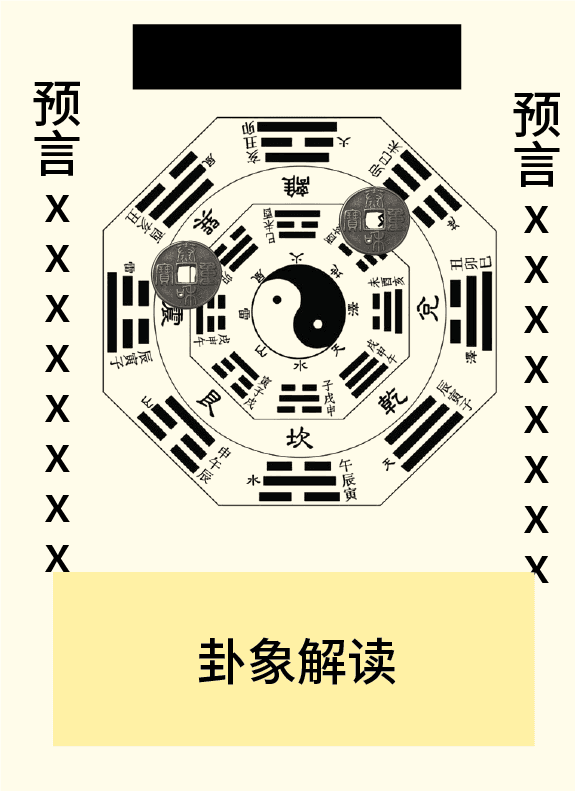
At key moments, the viewer can tap an interaction button to generate a shareable card. The card highlights the plot point and explains the clue, such as a divination scene between Hu Bayi and Chen Yulou that foreshadows later events.
Value:
Helps viewers organize dense plot information.
Turns clue discovery into a collectible ticket-stub experience.
Encourages repeat watching through random appearances or quiz-based unlocks.
Works well for horror-adventure dramas because they often depend on maps, artifacts, prophecies, and foreshadowing.
中文对照:用户点击互动按钮后弹出打卡图片,剧情重点自动进入气泡。可通过随机出现或回答问题提高收集成本,例如“铜币在哪个区域?”“该道具原主人是谁?”从而提升复看率。
Concept 2: Special Bullet Comments With a Glitch Style
When a scene shifts into an abnormal perspective, such as a bat's vision inside the cave, the bullet comments can automatically transform into a glitch style. The effect returns to normal after the scene ends.
This design can also work for animal, robot, surveillance, peeping, network, or other non-human viewpoints. It reminds viewers that the camera perspective has changed and strengthens immersion.
中文对照:迷窟中蝙蝠追击主角团时,画面是蝙蝠视角。观众输入弹幕后,弹幕自动变成故障风格,片段结束后恢复正常,用于增强非常规视角的沉浸体验。

Concept 3: Meme Creation
Some scenes contain lines that travel well beyond the original drama. In the example scene, Da Jinya unknowingly eats bat droppings as medicine and says it tastes surprisingly good; Wang Pangzi responds that his taste is unusually heavy. The lines are short, flexible, and expressive enough to be used outside the drama fandom.
The interaction lets viewers capture a screenshot or GIF, customize text, and save or share the meme. This supports community activity and off-platform promotion.
中文对照:“还挺香的”“您这口真够重的”既有字面意思,也能延展出多种语境。用户可一键制作截图或动图表情包,自定义文字并分享,帮助剧集在站外传播。

Concept 4: Special Bullet Comment Bubble Skin
When Hu Bayi and Wang Pangzi put on the Mojin amulets again, the scene marks the formal return of the tomb-raiding adventure. The interaction turns this ritual into a collective bullet-comment moment: viewers tap three character avatars, merge them into a Mojin amulet, and send a themed comment bubble.
The design increases ritual value, raises bullet-comment activity, and can support sponsored skins or branded effects.
中文对照:“摸金铁三角”是《鬼吹灯》的灵魂。三人重新戴上摸金符时,用户可以点击三名角色头像,合成摸金符气泡,并一键发送“摸金校尉,合则生分则死”的特殊弹幕。

Emotion Model: Fear + Anticipation
The emotional curve of The Lost Caverns resembles a Cinderella pattern: it begins from relative calm, descends into danger and fear, then rises again through discovery, escape, and a new clue. The main emotional drivers are fear, tension, curiosity, excitement, and satisfaction.
中文对照:案例的社会/情绪叙事为“辛德瑞拉”型:开头平静,中段遭遇危险和恐惧,结尾解决危机后再引出更大期待。核心情绪是恐惧与期待,同时伴随紧张、刺激、好奇、满足等。
Social Emotions
The drama connects with three social emotions:
Believing in fate without surrendering to it: young audiences are interested in mysticism, but the stronger emotional appeal is resisting a fixed destiny.
Searching for personal value: the protagonists move from profit-driven treasure hunting toward a mission connected to survival, death, and meaning.
The unbreakable “iron triangle” friendship: the group dynamic embodies a rare form of emotional trust and shared risk.
中文对照:相关社会情绪包括“信命但不认命”、寻求个人价值,以及“铁三角”型友谊永不破灭。真正朋友之间共进退、论生死的情感,是剧集的重要吸引力。
Scientific Basis for Fear
Fear in horror entertainment often comes from death anxiety, unknown spaces, blind spots, mirrors, sudden threats, and the suggestion of destruction. Tomb spaces are powerful because corridors, stairs, hidden chambers, and unseen backsides all activate spatial suspicion.
For viewers, horror also creates psychological release. A controlled fictional threat lets the audience experience danger while remaining safe in reality.
中文对照:恐惧来自死亡恐惧、未知事物、空间盲点、突然出现的境况和毁灭暗示。观看者在虚构危险中体验生死与挣扎,同时又能确认现实生活的安全,从而释放压力。
Scientific Basis for Anticipation
Anticipation depends on identification with the protagonist, the protagonist's goal, pressure, obstacles, and visible or invisible rewards. Horror becomes enjoyable when the viewer feels they can control the experience: they can look away, pause, mute, or stop watching.
中文对照:期待感等于代入感、主角目标、压力、能力、阻碍和行动的共同作用。恐怖娱乐之所以能被享受,是因为观众能预测和控制恐惧,例如随时关掉电视或移开视线。
Application A: Emotional Route Map
For a Cinderella-type narrative, the platform can display a route map outside the video frame. A small character advances along the route, gains props or coins when clues are found, and falls into traps when danger appears. Across episodes, the route gradually extends until the final destination is reached.
中文对照:设计一个类似马里奥的卡通角色:获得关键道具或线索时出现“翻越高山/获得金币”动画;陷入困境时出现“跌入陷阱”动画。整季形成路线图。

Application B: Brave / Timid Viewing Modes
Before watching, the audience answers a short fear-preference questionnaire. The platform assigns a brave or timid mode.
Brave mode:
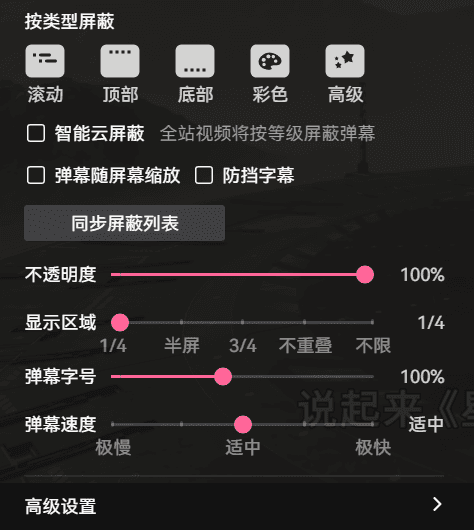
Automatically blocks warning comments such as “high-energy warning.”
Keeps bullet comments from covering characters.
Adds special surprise comments in selected moments.
Awards an “Adventurer” badge after viewing.
Timid mode:
Provides jump-scare warnings or reduces frightening moments.
Uses prompt bubbles and bullet-comment warnings.
Awards a “Courage” badge after viewing.
中文对照:观影前回答问题,如是否害怕巨响、跳脸、看恐怖片是否做噩梦。系统分配“胆大/胆小模式”,自动设置屏蔽词、弹幕等级、预警气泡和观看后电子徽章。
Monetization Extensions
The interaction system can support commercial value through:
Sponsored prompt bubbles during key plot points.
Merchandise based on props, character memes, and fan-created content.
Paid advanced interactions with permanent badges, skins, or small gifts.
Online-offline campaigns such as check-in walls, immersive scenarios, or VR experiences.
Short-form derivative videos based on interactive moments.
中文对照:商业化方向包括提示框广告投放、剧中特殊道具与表情包周边、付费高级互动、线下打卡/情境体验/VR 活动,以及互动内容再创作视频流量变现。