How “Sanfu” Combines Chinese Horror Puzzles with Storytelling
中文标题:《三伏》如何将中式恐怖解谜与叙事相结合
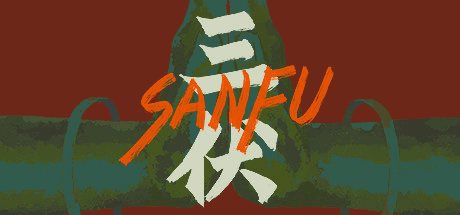
This article looks at the Chinese horror puzzle game Sanfu (三伏) and how it fuses cross-temporal puzzle-solving with a distinctive three-panel narrative presentation — turning the player from an outsider into the story's “third eye” — and what other games might borrow from the technique.
中文要点:本文分析国产恐怖解谜游戏《三伏》如何用跨时空道具解谜与“三格演出叙事”推动剧情,为何这种分镜叙事能提升玩家参与感,以及它在其他游戏中的可应用场景。
The Core Loop: Cross-Temporal Props
The game's core story-driven mechanic uses similar elements inside a scene to form cross-temporal props, which switch the game's scenes and perspectives. Clues gathered in different times and spaces gradually advance the plot. In the first chapter, for example, the player passes a present-day cola bottle to a partner living in another timeline — the handoff works because a “Lost and Found” cabinet exists in both timelines and acts as the shared interaction point.
中文对照:游戏核心的剧情驱动形式,是利用场景内相似的元素形成跨时空的游戏道具,切换游戏的场景和视角;不同时空的线索会逐渐推进剧情。第一章中,玩家需要把现实世界的可乐瓶,通过两个时空都有的道具“失物招领柜”,递给另一个时空的搭档来推进剧情。
The Film-Strip Montage: Directing the Story
The game's more innovative move is the three-panel narrative presentation, and one gameplay sequence ties it directly to player interaction. In a darkroom, the player rearranges film strips — and the arrangement changes which characters appear at a dinner table in another timeline. The player acts like a director re-cutting the story's montage, and each cut unfolds a completely different storyline in storyboard form:
Different character combinations lead to different plot events.
When a character leaves the table, exploring as another character reveals new clues.
Switching strips can locate the missing characters beyond the dinner table, opening perspectives and stories outside the main narrative.
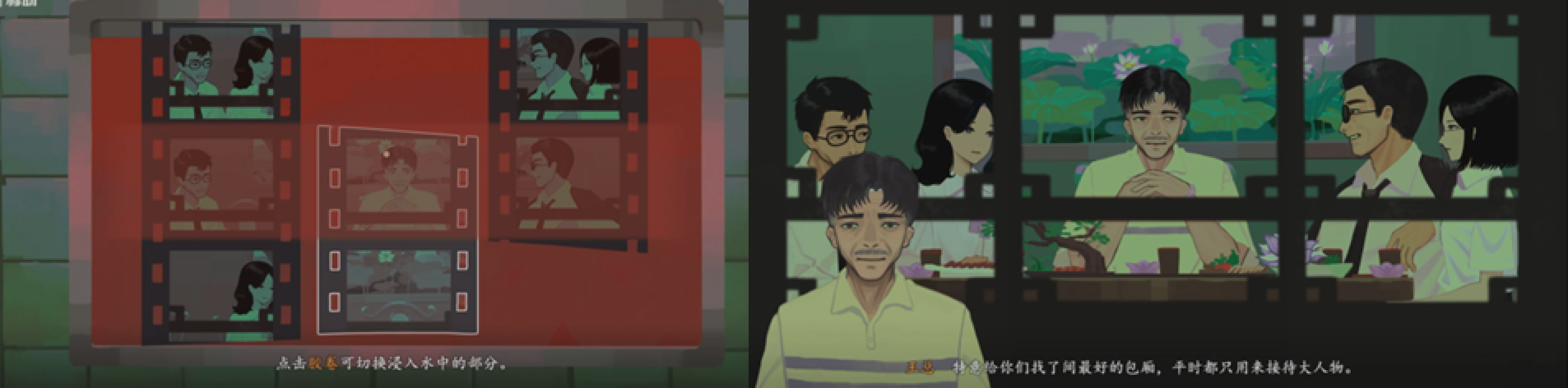
the player acts as director of the montageThe dinner-table cast changes in the other timeline
each storyboard opens a different story
中文对照:更为创新的是三格演出叙事。玩家在暗房内通过胶卷的排列组合,可以更改另一个时空饭桌上出现的人物角色,像导演更改了剧情叙事的蒙太奇,以分镜的形式展开完全不同的故事内容。不同角色的组合会有不同的故事情节;人物离席后操控另一角色探索会发现其他线索;通过切换胶卷还可以在饭桌之外找到缺失的角色,了解主线之外的视角和故事。
Cross-Temporal Storytelling Meets Puzzle Design
Cross-temporal storytelling itself is not new. What sets Sanfu apart is how it binds the device to its core “three eyes” lore and displays the overlap of timelines as storyboards:
Work | Form | Cross-temporal device |
|---|---|---|
The Miracles of the Namiya General Store | Suspense novel | A grocery store as the medium for communication across eras |
Paper Bride 3: Yuanyang Debt (纸嫁衣3:鸳鸯债) | Chinese-style puzzle game | Dual protagonists; switching between the two perspectives switches timelines |
Sanfu (三伏) | Chinese horror puzzle game | Cross-temporal puzzles fused with the “three eyes” lore; overlapping timelines shown as three-panel storyboards |

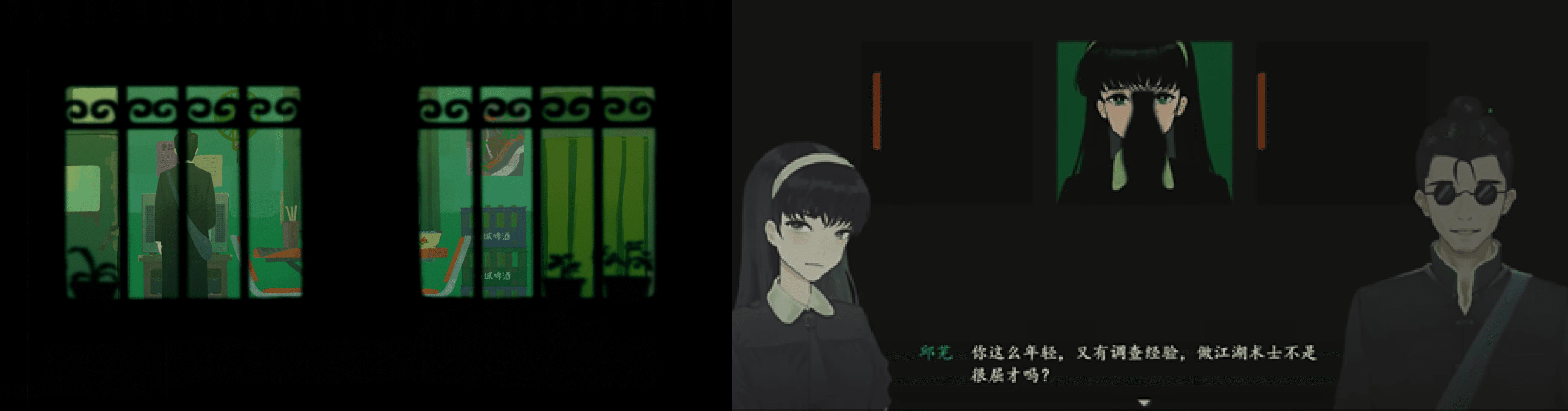
One sequence shows the payoff: through puzzles and items, the protagonist meets a character from another timeline inside an illusion. At that moment the three panels transform into comic-book-style storyboards — they narrate the plot while the scene visibly changes in the realistic timeline.

Later chapters keep exploring what the three panels can do:
The protagonist occupies a panel while speaking, joining the original timeline's storyboard and deepening immersion.
Panels switch the same character between different scenes, building a dual-line narrative that gives the player a god's-eye view of intersecting timelines.
The middle panel carries the event's narrative storyboard while the side panels correspond to the two characters; each switch is a two-scene transition — used to reveal that the two characters had met off-stage and planned things in advance.
中文对照:跨时空叙事并非首创:《解忧杂货店》用杂货店作为跨时空交流的媒介;《纸嫁衣3:鸳鸯债》同为双人主角,通过切换两人视角实现切换时空的解谜交互。《三伏》的不同在于把切换时空的解谜与核心设定“三只眼”结合,以分镜形式展示不同时空的交叠:幻象相遇时,三个格子变为漫画分镜交代剧情,现实时空同时发生场景变化。后续还让主角说话时占用格子、用格子切换同一角色的不同场景实现双线叙事——中间格子作事件分镜,两边格子对应两个角色,以此交代两人台下提前认识并有所预谋的额外剧情。
Why It Matters: The Player as the “Third Eye”
A common criticism of third-person puzzle narrative games is weak player involvement: unlike RPGs, where the player holds an identity inside the fiction, third-person puzzle players often feel like outsiders watching a story. Sanfu answers this with two moves built on the same three panels:
The player-controlled character joins the original narrative as a panel — the third panel.
Moving or clicking in the middle panel changes what is seen, which ripples into the side panels' narratives.

The player effectively becomes the protagonist's third eye, driving the direction of the plot. The film-strip mechanic pushes the same idea further by casting the player as the director who re-edits the performance — identity and immersion built directly into the presentation layer.
中文对照:第三人称解谜叙事游戏常被诟病参与感弱,玩家像局外人。《三伏》一是让玩家操控的角色以格子的形式加入原本的叙事(第三个格子),二是通过移动或点击(中间格子)更改看到的画面和内容,影响两边格子的叙事——玩家就像主角的“第三只眼”推进剧情走向;胶片玩法则让玩家以导演身份改变剧情演出,增加了代入感和身份的设计。
Where Else Could Three-Panel Presentation Go?
Inside Sanfu itself, the integration of puzzles with the three panels is not extensive — the panels serve mostly as a narrative tool. Puzzle-side participation stays low: mostly character changes within panels and moving between the three panels. Adding more item-finding interactions for the controlled characters outside the staged sequences could raise playability on top of the already stunning visuals.
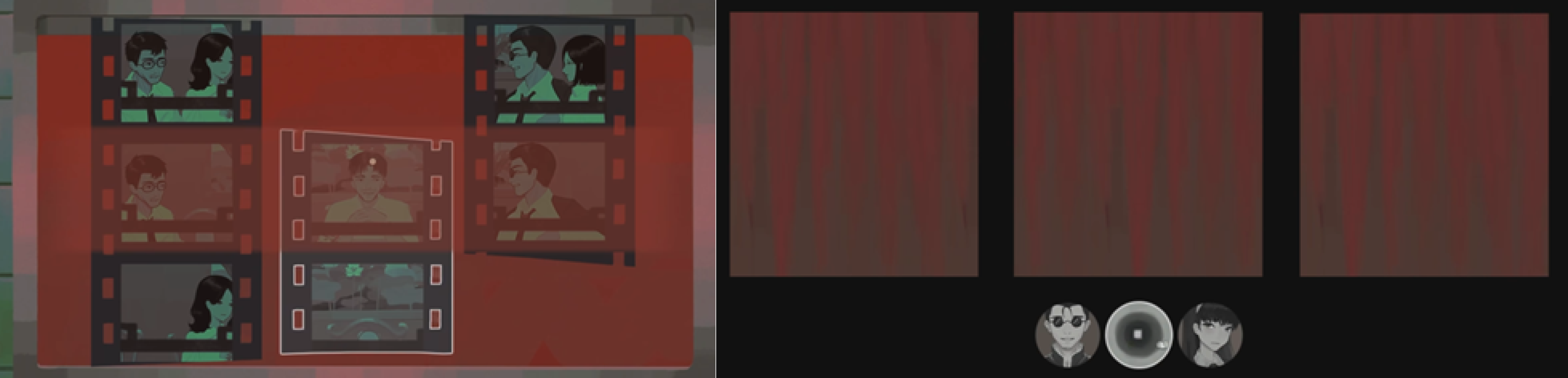
Cutscenes are a natural home for the technique: layering this storyboard format onto a linear narrative adds fun and interactivity whenever a story is told from multiple perspectives. Storyteller (released in early 2023) works from a similar idea — players rearrange story elements to produce a specific story matching a title. Sanfu takes that open-ended concept and applies excellent constraints: storyboard variation covers not just chronological order, but the same order with different times and different people acting within a given scene. That effectively limits the plot's openness while keeping exploration fresh.
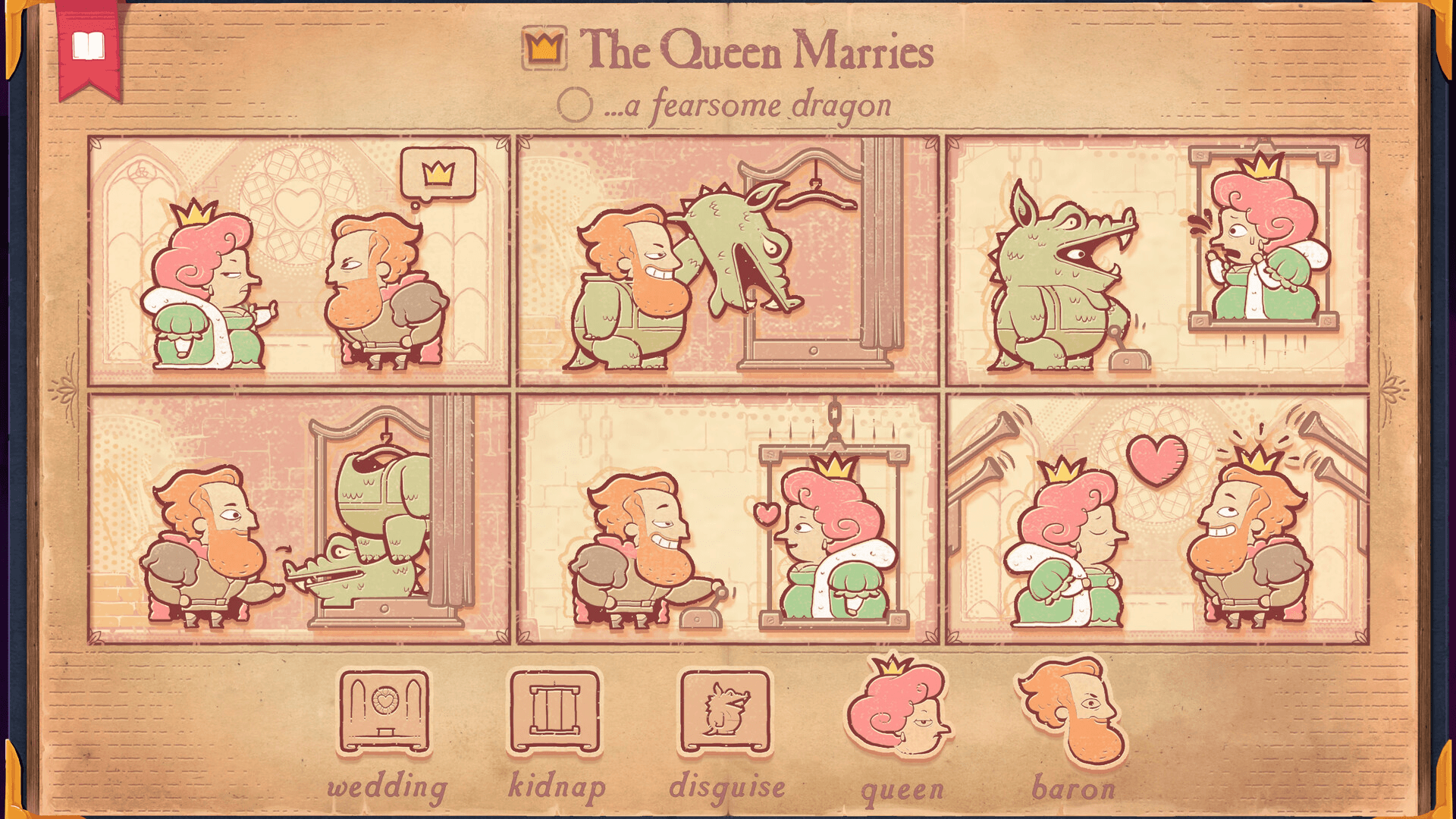
中文对照:游戏中解谜与三个格子的结合内容并不多,更多作为叙事手段,解谜部分参与感不高;在剧情演出之外加入更多操控角色寻找道具的交互,能在惊艳的视觉效果之上增加玩法乐趣。过场动画可在单线叙事的基础上加入类似分镜形式;《Storyteller》(2023年初发行)靠调整元素先后顺序生成特定故事,而《三伏》在开放性基础上给出了很好的限制——相同顺序、不同时间、不同的人,在给定场景中发生的故事,在有效限制剧情开放程度的同时带给玩家新鲜的探索感受。
Takeaways
Shared props turn two timelines into a single puzzle space — clues in one era unlock progress in the other.
The three-panel storyboard gives the player a diegetic role — the “third eye”, or the director — instead of an outsider's view, answering the participation problem of third-person puzzle games.
Constrained montage — same panels, different times and people in a given scene — keeps authored plots coherent while preserving a sense of discovery.
中文对照:跨时空道具把两个时空变成同一个解谜空间;三格分镜给了玩家“第三只眼”和导演的叙事身份,回应了第三人称解谜游戏参与感弱的问题;而“有限制的蒙太奇”在保证剧情可控的同时保留了探索的新鲜感。