Similarities and Differences in ARPG Mobile Games: A Case Study of Honkai Impact 3rd
中文标题:得想个办法让我朋友入坑 ARPG 游戏
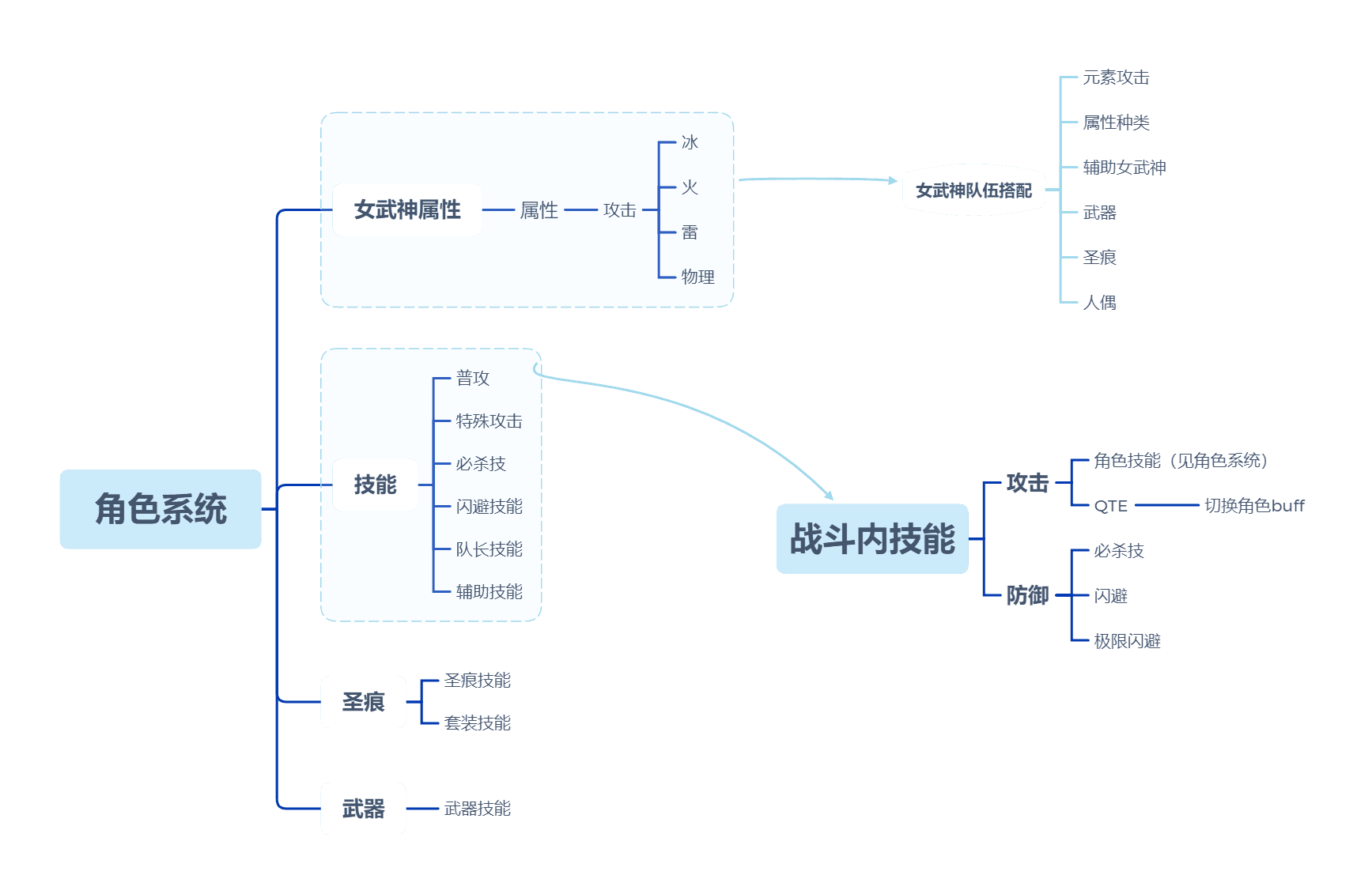
This article translates and reorganizes a study about onboarding a PC-oriented ARPG player into Honkai Impact 3rd. It combines combat-system analysis, action design breakdown, a short player diary, and reflections on the differences between mobile and PC ARPG experiences.
本文以《崩坏 3》为例,分析手游 ARPG 的战斗系统、动作设计、键位限制、镜头问题、后期数值膨胀,以及如何让习惯 PC 端 ARPG 的朋友尝试手游。
Structure
The original study has three parts:
Combat system analysis of Honkai Impact 3rd.
Action design breakdown of Honkai Impact 3rd.
A record of trying to onboard a friend into the game.
目录分为《崩坏 3》战斗系统分析、《崩坏 3》动作设计拆解,以及拉朋友入坑体验记录。
Basic Introduction to Honkai Impact 3rd
Honkai Impact 3rd tells the story of a world invaded by a mysterious disaster known as Honkai. Players act as the Captain, recruit Valkyries, and fight to protect the world. The game includes combat development systems such as weapons, Valkyries, and stigmata, while also offering PvP-related modes such as brawl racing and Armada battles.
Basic information:
Release date: October 14, 2016.
Developer/publisher: miHoYo.
Platforms: iOS, Android, PC.
Official site:
https://www.bh3.com/
游戏讲述世界受到“崩坏”侵蚀,玩家以舰长身份招募女武神抵抗入侵。核心养成包括武器、女武神、圣痕,同时引入乱斗竞速、舰团战等玩法。

Recent Market Performance
The source notes that Honkai Impact 3rd remained highly ranked in the iOS mobile action RPG category, with search-interest peaks in the observed period. The comparison includes Crystal of Atlan, Punishing: Gray Raven, and Honkai Impact 3rd, positioning Honkai Impact 3rd as an older but still influential action RPG.
近一年 iOS 动作 RPG 分类中,《崩坏 3》保持较高排名。对比对象包括《晶核》《战双帕弥什》《崩坏 3》,同时观察百度指数搜索曲线。

Combat Rhythm
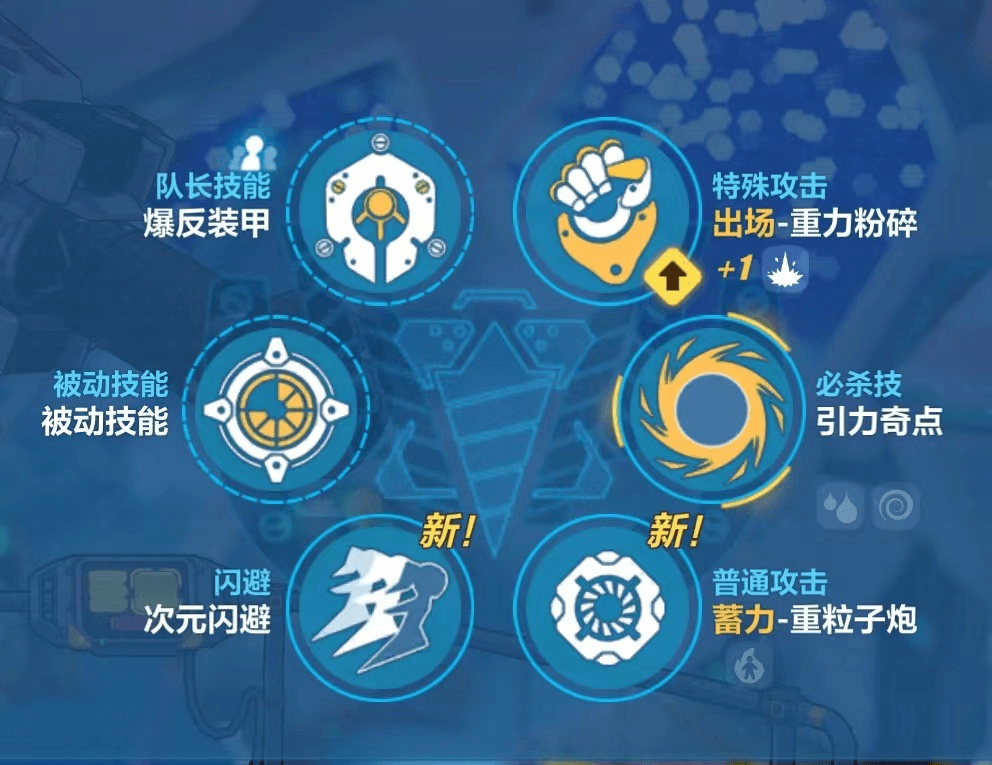
The combat rhythm in a single PvE stage can be read as an alternation between normal attack, charged attack, weapon-skill or form-switch combos, QTE events, skill cooldown windows, ultimate animations, and faster special attacks.
Slow-motion moments are especially important:
Perfect dodge: triggers dodge skills and healing.
QTE: special skill plus character-switch anticipation.
Ultimate: performance animation plus character-skill effects.
End-of-battle slow motion: emphasizes closure and impact.
以主线第一章 Boss 关卡为例,单局 PVE 节奏包括普攻、蓄力、装备技能/形态切换组合技、QTE、技能 CD、必杀技、特殊攻击,以及战斗接近结束时的慢镜头。慢镜头相关:极限闪避触发闪避技能并回血;QTE 是特殊技能加换人前摇;必杀技是演出动画加角色技能特效。
Action Design Breakdown
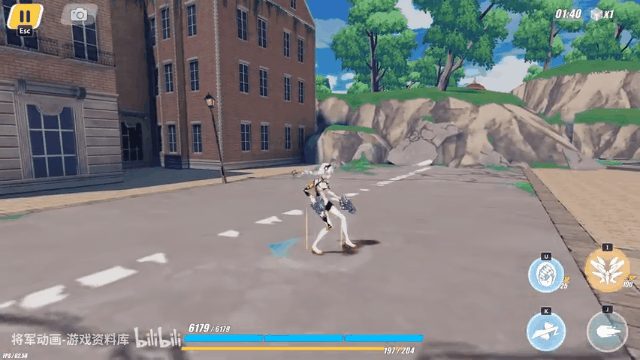
Using the initial character Kiana as an example, the action design emphasizes speed and reduced friction:
Basic movement includes walking, running, jumping, turning, and direct dodge direction switching.
Transitions from idle to movement or attack cancel much of the anticipation and recovery, making the character feel fast.
Hit and damage feedback use prediction effects and aim-assist.
The camera follows the character and moves around her continuously.
以初始角色琪亚娜为例,基础动作包含走、跑、跳、转身和闪避方向切换。静止到移动/攻击会取消前摇和后摇,动作速度很快;击中和受击有预判特效、自瞄和持续跟随镜头。

Friend Onboarding: Player Profile
The test player was a 21-year-old university student with strong PC/console ARPG experience. They had played Monster Hunter, Elden Ring, Hogwarts Legacy, and Genshin Impact, but had not played mobile ARPGs. Other 100-hour-plus games included The Binding of Isaac, Hades, League of Legends, and Don't Starve. Their mobile preferences included Arknights and Onmyoji.
Player traits:
Anime-oriented.
Easily immersed.
Enjoys challenge.
Interview highlights:
Most attractive part of ARPGs: good-looking characters and strong positive feedback.
Reason for not playing mobile ARPGs before: storage size, phone performance, and inconvenient controls compared with PC shortcuts.
What could convert them from PC to mobile: stronger social play, especially if classmates or friends also played.
朋友 21 岁,大学生,标签为“二次元、易上头、喜欢挑战”。过去玩过《怪物猎人》《艾尔登法环》《霍格沃兹遗产》《原神》,但没有手游 ARPG 经历。认为 ARPG 最重要的是角色好看、正反馈强;之前不玩手游 ARPG 是因为占内存、手机性能和操作不如电脑;若手游更偏社交且身边同学一起玩,会更愿意尝试。
Onboarding Diary
The player tried the game from October 21 to October 26. On the first day, after about one hour of play, they reached the first ten-pull and obtained an S-rank character, which motivated them to continue. The game also gave strong returning/new-player rewards, including high-value characters. By the fourth day, the player pursued a matching weapon for the S-rank character, and after six days they reached level 44.
10 月 21 日到 10 月 26 日期间,第一天约 1 小时后首次十连抽出 S 角色,朋友因此继续玩;第二天签到奖励较高;第四天去刷匹配武器;六天后升到 44 级,养成速度明显快于预期。

Mobile ARPG vs PC ARPG
Mobile strengths:
More suitable for casual sessions.
Easy to play outside, while waiting, or during fragmented time.
More compatible with social play.
Mobile weaknesses:
Small screen on phone; iPad performance may still be insufficient.
Lack of controller vibration feedback.
Gacha systems can create power inflation and pressure to keep pulling new units.
Not ideal for high-intensity, long-session grinding.
PC strengths:
More varied gameplay and stronger strategic depth.
Better input comfort and feedback, especially with controller vibration.
PC weaknesses:
The combat system can be too complex for broader audiences.
手机端适合休闲和碎片时间,也更适合社交;缺点是屏幕小、性能和震动反馈不足,抽卡制容易数值膨胀。PC 端操作和策略性更强,但复杂战斗系统可能导致受众不够广。
Core Issue 1: How Can Limited Mobile Inputs Support a Rich Combat System?
Mobile ARPGs often reduce operation complexity to fit touch screens, which can weaken combat depth. Honkai Impact 3rd handles this relatively well by expanding strategy through limited inputs:
Weapon-form switching and combo routes.
Tap/hold attack distinction.
Three-character team building.
Role positioning, attributes, control, buffs, and damage allocation.
QTE design that links character switching with skill timing.
手游为适配屏幕会减少操作或弱化键位,但《崩坏 3》通过武器形态切换、普攻长按/短按、三人小队、角色属性与分工、控制/buff/伤害分配和 QTE 设计,让有限按键承载更多战斗策略。

Core Issue 2: Automatic Camera Follow Can Fail to Match Player Intent
On PC, players usually separate movement and camera control through keyboard and mouse, or dual analog sticks on a controller. On mobile, the camera often follows automatically while the player uses the right hand for skills. This makes the experience heavily dependent on auto-camera quality.
Potential design references:
Free camera settings like those recommended by players for Crystal of Atlan.
Motion aiming inspired by Splatoon.
电脑端用键盘移动、鼠标控视角,或手柄双摇杆。移动端相机多为跟随模式,玩家又需要右手点技能,因此很依赖自动镜头。若镜头跟随不好,操作体验会明显变差。

Core Issue 3: Late-Game Power Inflation Can Make Play Feel Like Work
After the main story is complete, the player may log in mainly to grind resources for gacha and character development. If key resources and equipment can mostly be acquired through payment, the sense of skill-based progress weakens.
The source compares this with systems like:
Genshin Impact artifacts.
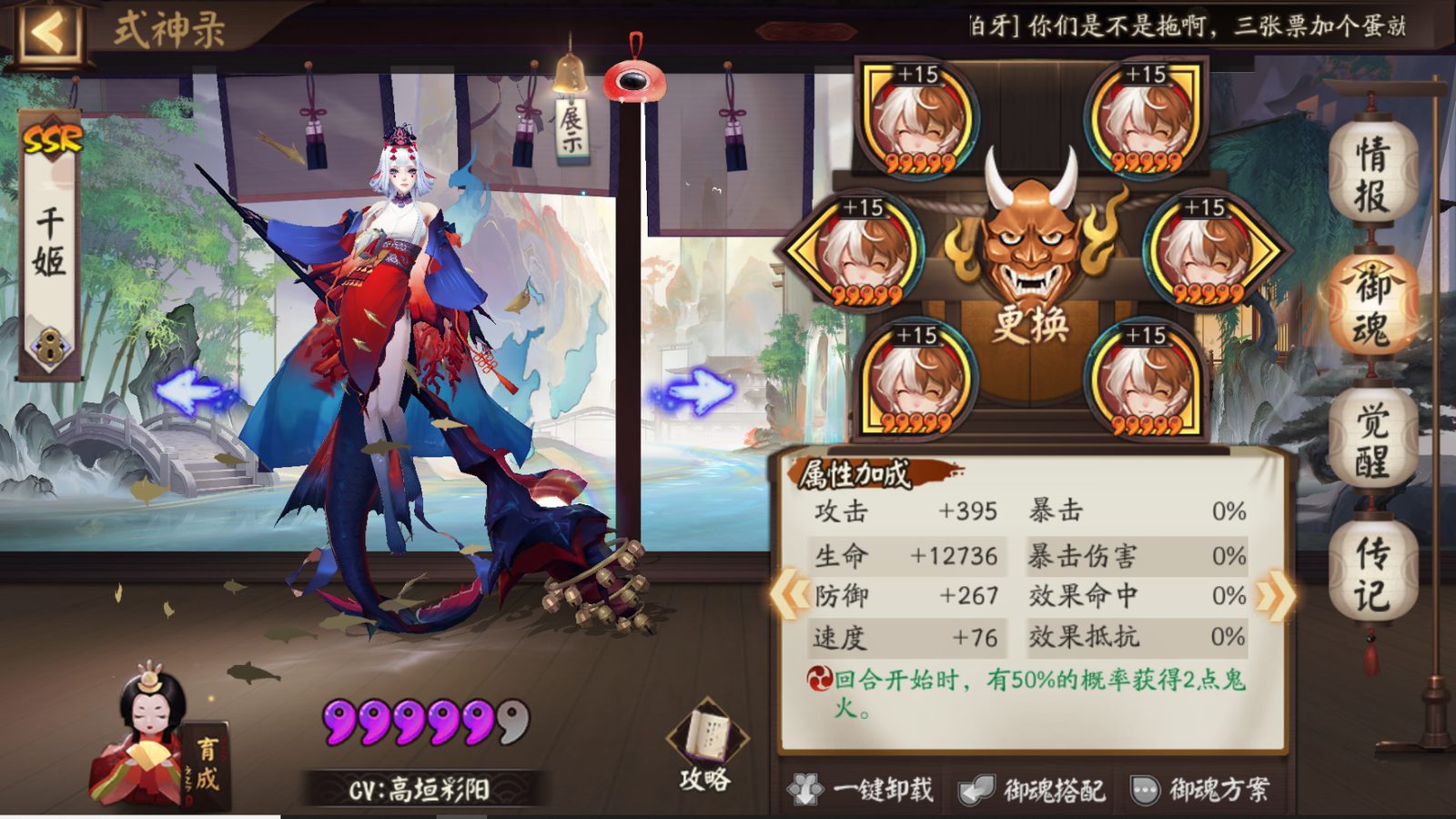
Onmyoji soul sets.
These systems use randomized attributes to extend long-term progression, but they can also become both grind-heavy and payment-heavy.
后期过完主线后,玩家可能只是为了抽卡和养成上线,像“上班打卡”。《原神》圣遗物和《阴阳师》御魂这类随机属性系统能延长追求目标,但也会变得又肝又氪。
Additional Reflections
Enemy AI:
The source argues that Honkai Impact 3rd has relatively simple enemy types and AI, with limited feedback to player actions. Difficulty often comes from numerical adjustment rather than ecological behavior. Monster Hunter is cited as a stronger reference because monsters feel embedded in an ecosystem: they drink water, move through the world, drop materials, and connect combat to crafting goals.
Narrative after main-story completion:
The source asks how ARPGs can add story and immersion beyond dialogue in open-world combat. References include The Witcher 3, where letters and local aftermath reveal what happened after monster encounters, and Baldur's Gate 3, where books and items supplement narrative context.
敌对生物 AI 可更丰富,不只靠数值调难度。《怪物猎人》的生态和素材链条更能让玩家感到怪物与世界有关。主线结束后,ARPG 可借鉴《巫师 3》的任务后续线索和《博德之门 3》的书籍/道具叙事,让战斗与故事联系更紧。
Conclusion
For a PC-oriented ARPG player, mobile ARPG onboarding depends on three things: immediate positive feedback, social motivation, and control comfort. Honkai Impact 3rd succeeds at early feedback and compact combat design, but the long-term experience still faces familiar mobile action problems: limited input surface, camera dependency, gacha-driven inflation, and late-game routine fatigue.
让 PC ARPG 玩家入坑手游 ARPG,关键在即时正反馈、社交动机和操作舒适度。《崩坏 3》的早期反馈和按键压缩做得较好,但仍面临键位限制、镜头依赖、数值膨胀和后期长草/打卡感问题。
Visual Appendix
Selected in-game captures from the original study: