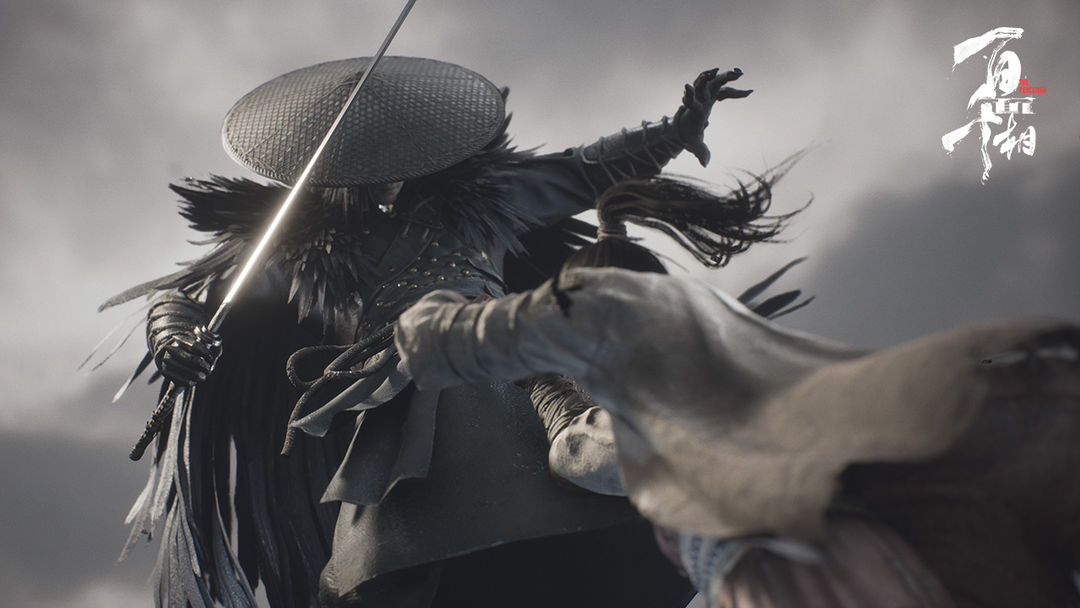
PV and Public Opinion Analysis of Open-World Martial Arts Games
中文标题:《百面千相》游戏 PV 分析
This article translates and reorganizes a research presentation about the promotional video for Project: The Perceiver (百面千相). The analysis covers what the PV communicates, how it communicates it, what kinds of UGC it triggered, and how public opinion evolved after release.
中文要点:本文围绕《百面千相》首曝 PV,从内容侧、消费侧、UGC 视频、评论词云、舆论演变和热点讨论几个角度,分析开放世界武侠动作游戏 PV 如何建立期待。
Content: What Does the PV Say?
The study compares four Chinese-style martial arts or action game PVs:
Game | PV Release Date | Observed Data in Source |
|---|---|---|
Project: The Perceiver | 2022-11-10 | 6.408 million views, 15k bullet comments |
Where Winds Meet | 2022-08-24 | 5.154 million views, 16k bullet comments |
Phantom Blade Zero | 2023-05-25 | 3.556 million views, 8,668 bullet comments |
Naraka: Bladepoint | 2019-12-13 | The official PV was not found; TGA trailer reuploads were used as reference |
The PV structure is divided into three content types: narrative CG, real-time combat presentation, and scene/gameplay/CG showcase. For Project: The Perceiver, the PV uses a high proportion of real-time combat footage, which strengthens trust in the product's action design instead of relying only on cinematic promise.
中文对照:《百面千相》首曝 PV 重点呈现国风武侠动作游戏的三类内容:剧情 CG、战斗表现实机画面、场景展示/玩法实机与 CG。相比纯概念包装,足量实机战斗更容易让玩家讨论动作机制和完成度。
Method: How Does the PV Tell the Story?
The PV begins with narrative CG to establish atmosphere and identity. It then shifts into real-time combat, especially during the segments around 1:06-2:25 and 3:01-4:20. The protagonist encounters different enemy types, switches combat techniques and mask identities, blocks attacks, and moves the story forward through action.
Camera language:
Third-person camera following the protagonist.
Medium and long shots for combat readability.
Close-up performance animations during impact moments.
Jump cuts in later showcase segments to quickly display art direction, characters, combat effects, and future possibilities.
中文对照:PV 先用剧情 CG 开场,再用第三人称跟随镜头展示主角在路上遭遇不同敌人,通过战技切换、面具身份转化和格挡反击推进内容。后段用跳剪快速展示美术、角色登场和战斗特效。
UGC Attention Points
After release, UGC videos clustered around four themes:
Theme | Representative Video | Views | Likes | Comments | Saves | Platform |
|---|---|---|---|---|---|---|
Gameplay analysis | “Is domestic gaming entering a chaotic new era? Hidden information in the PV!” | 466k | 34k | 2,864 | 3,498 | Bilibili |
Worldbuilding and architecture | “Scene and ancient architecture analysis: strongest Tang-style design?” | 16k | 1,194 | 177 | 557 | Bilibili |
Chinese culture reaction | “Foreign viewers are shocked into silence” | 135k | 2,162 | 265 | 288 | Bilibili |
Character montage | “High ponytail! Paper Games understands handsome men...” | 475k | 27k | 790 | 11k | Bilibili |
The strongest UGC signals are gameplay speculation, cultural/aesthetic analysis, overseas reaction, and character-driven fan editing.
中文对照:UGC 关注点包括玩法分析、世界观和古建考据、中国文化 reaction、角色混剪。它们分别对应机制期待、文化认同、出海传播和角色吸引力。
Public Opinion Evolution
The discussion did not remain fixed on the PV itself. It evolved through several stages:
中文对照:舆论从首曝 PV 讨论,转向厂商讨论、实机完成度、项目是否被砍的传闻、与《只狼》等机制对比,再扩散到和《燕云十六声》《影之刃零》《致金庸》等作品的横向比较。
Opinion Interpretation Matrix
The source maps public discussion by two axes:
Strong or weak relation to gameplay/IP.
Short-term timeliness or long-term trend value.
This matrix separates temporary heat from topics that may continue shaping audience expectation. For a PV, long-term topics matter more because they become the vocabulary players use to evaluate future announcements.
中文对照:舆论解读将讨论分为“游戏玩法/IP 强相关或弱相关”与“强时效性短期热点或弱时效性长期趋势价值”。真正值得持续追踪的是能沉淀为长期期待的讨论点。
Hot Topic 1: Differentiation in Action Design
Players discussed whether the action system borrowed from Sekiro, Devil May Cry, or Ghost of Tsushima. The analysis suggests the more important point is not simple borrowing, but how blocking, attack-defense conversion, deflection, and martial arts performance create a distinct Chinese-style action identity.
中文对照:讨论方向包括是否借鉴魂系、《只狼》《鬼泣》《对马岛之魂》,以及动作格挡、攻防转化、弹刀招式和武侠动作如何体现“国风”。
Hot Topic 2: Should Hardcore Action Games Attract Female Players?
Paper Games already carries traffic from a large female player base. The PV's actor/performer identity, attractive character models, and mask-switching system opened discussion about whether a hardcore action game can also appeal to women players.
中文对照:叠纸公司本身带有女性玩家群体流量,游戏角色的戏子身份、面具系统和美型建模,让“硬核动作游戏是否要吸引女性玩家入局”成为讨论点。
Hot Topic 3: Tang-Style Art and Cultural Research
Players researched the Tang-style environment, architecture, costumes, weapons, and possible references to Later Tang emperor Li Cunxu. The source also notes an overseas reaction video where “Tang style” was read as “Japanese culture,” showing both the opportunity and risk of cultural export. Strong cultural communication can win favor, but only if the visual language is legible.
中文对照:玩家自发考据角色对后唐皇帝李存勖的参考,以及梨园建筑、服饰、武器等唐风文化。若国风文化输出做得足够清晰,能提高海外用户好感。
Summary
The PV's attraction comes from the overlap of action presentation, female-player appeal, and Tang-style cultural aesthetics.
Key strengths:
Enough real-time combat demonstration to support mechanical discussion.
Camera movement, VFX, sound effects, attack impact, and deflection feedback that make combat feel tangible.
A mask transformation system that implies role switching and skill variety.
Attractive character modeling and identity design.
Tang-style environments that invite cultural and historical research.
Boss-mask collection, character switching, costume speculation, and puzzle potential.
UGC montages and fan edits that keep heat alive after the PV.
中文对照:总结来看,《百面千相》的 PV 热点来自动作设计呈现、对女性玩家的吸引、唐风场景美术和文化考据。实机演示、运镜特效、打击音效、面具转化、招式组合、角色建模和自发二创共同构成传播动力。