Where the Exquisiteness of "A Guidebook of Babel" Comes From
中文标题:《巴别号漫游指南》的精致感从何而来(绘本解谜 × 美术设计)
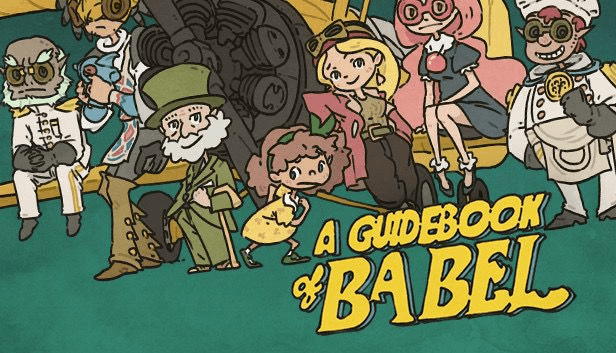
A Guidebook of Babel is a puzzle game played inside a pop-up picture book. Aboard the Babel, human passengers go through a bizarre journey of reincarnation: the opening sets a faintly sorrowful tone for the afterlife, yet the story uses humor and carefully woven puzzles to let players bend the plot through the butterfly effect, unfolding before their eyes like a dynamic picture book. This article breaks down where that sense of exquisiteness comes from — the medium itself, the recurring picture-book devices, the way the game's systems fuse with the art, and what other games can borrow.
中文要点:在巴别号上,人类旅客将经历一场光怪陆离的转世之旅。开篇奠定了死后世界较为悲伤的氛围,但故事用幽默和精心编制的谜题,让玩家通过蝴蝶效应改变故事走向,像动态绘本一样娓娓道来。本文从载体、绘本套路、系统与美术的融合、可迁移设计四个层面拆解它的精致感。
The Picture-Book Art Style in Brief
The papercraft style entered the mainstream with Klei Entertainment's Don't Starve, and a wave of puzzle games set inside storybooks followed. Using the picture book as the carrier lets players experience the game within a pop-up book, much like Rustle. A Guidebook of Babel takes this further: the narrative itself behaves like a dynamic picture book, told to the player page by page.
中文对照:纸片风格从 Klei 工作室《饥荒》开始走进大众视野,随后出现了众多在故事书里解谜的游戏。将绘本作为载体,让玩家在立体书中体验游戏,如《Rustle》。
Recurring Devices of the Picture-Book Style
(A) Dialogue Bubbles + Cute Expressions
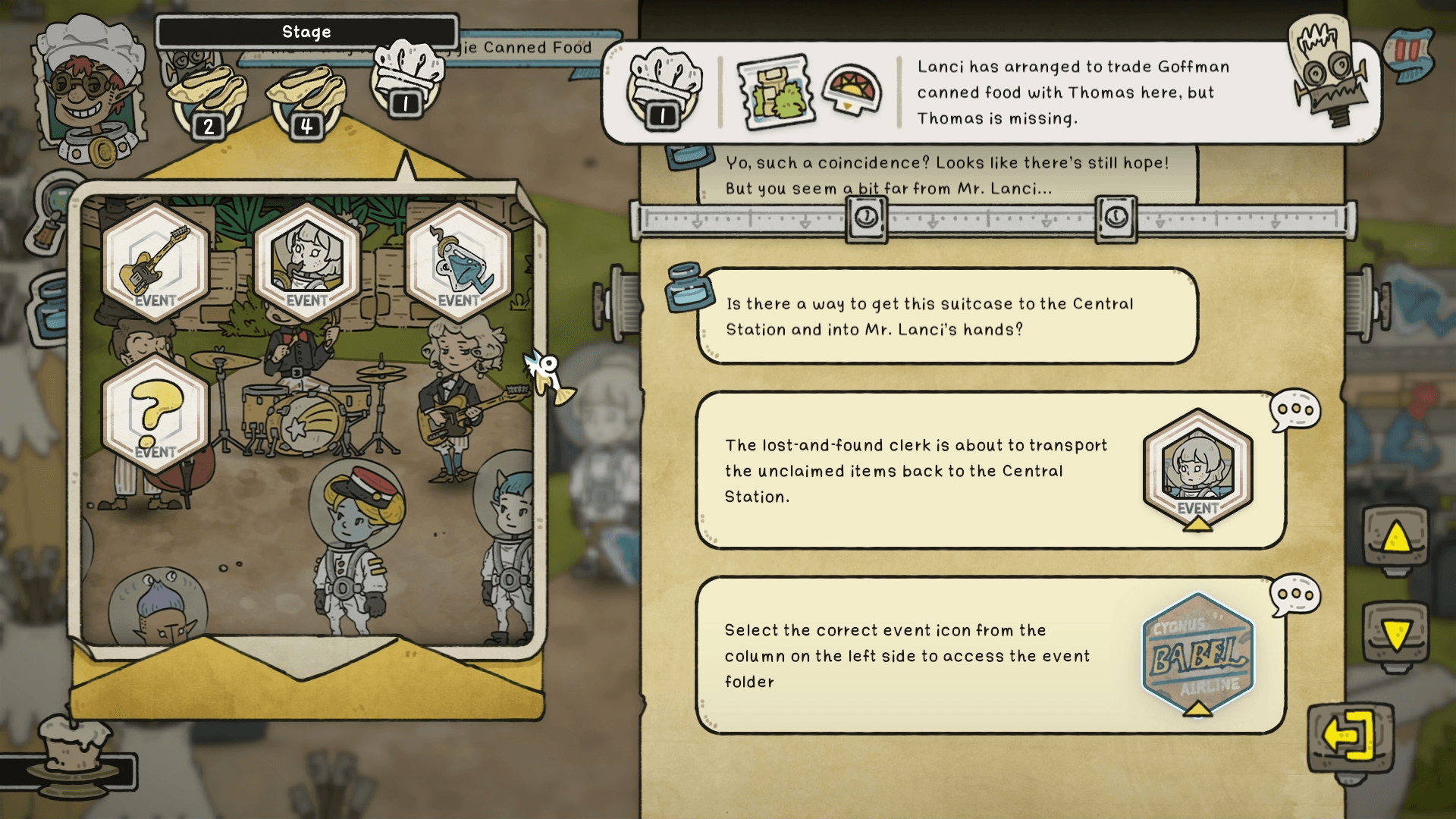
As conversations unfold, story progression is carried by dynamic speech bubbles — similar to Barbara's chapter in What Remains of Edith Finch. The hand-drawn design adds visual impact without clashing with the overall art style, so players genuinely feel placed inside a picture-book world.
中文对照:剧情对话以动态对话框的形式描述发展,类似《艾迪芬奇的记忆》芭芭拉的章节。这种手绘风格的设计能增加视觉冲击,于画风而言也不突兀,让玩家有置身绘本世界的感受。
(B) Non-Linear Narrative with More Perspectives
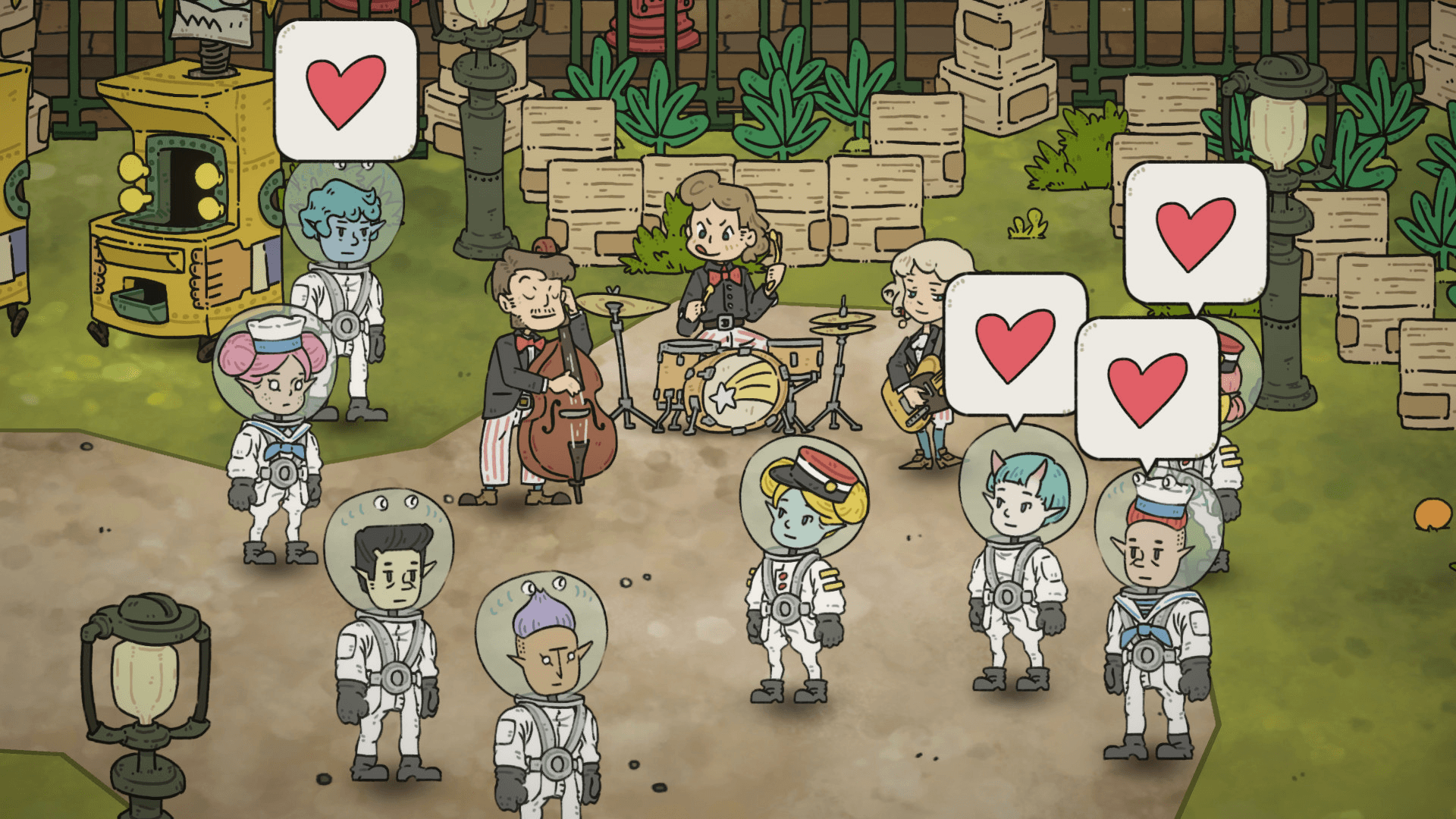
As readers of the book, players follow the viewpoints of different characters and gradually piece the whole timeline together. Because the butterfly effect grants the power to change endings, the player's identity shifts from reader to narrative designer.
中文对照:玩家作为绘本读者,跟随不同角色的视角,逐渐拼凑出整个故事线。游戏通过蝴蝶效应让玩家有能力改变结局,将玩家身份从读者转向剧情设计师。
Why the Picture-Book Style Matters
As overall game quality rises, players demand deeper immersion. Dynamic picture-book puzzles are a low-cost way to weave interaction UI and narrative progression tightly together, helping players sink into the experience quickly. True to its title, the whole game is a book of fantasies: players walk into the world between its covers and, as exploration advances, gradually fill the volume up — a strong sense of being its author.
中文对照:游戏质量提升,玩家对代入感的要求增加。动态绘本解谜能以小成本把交互 UI 和剧情展开结合得很好,帮助玩家迅速沉浸。整个游戏如其名,是一本幻想的故事书;玩家走进书中世界,随探索推进逐渐将整本书填满,很有作为作者的体验。
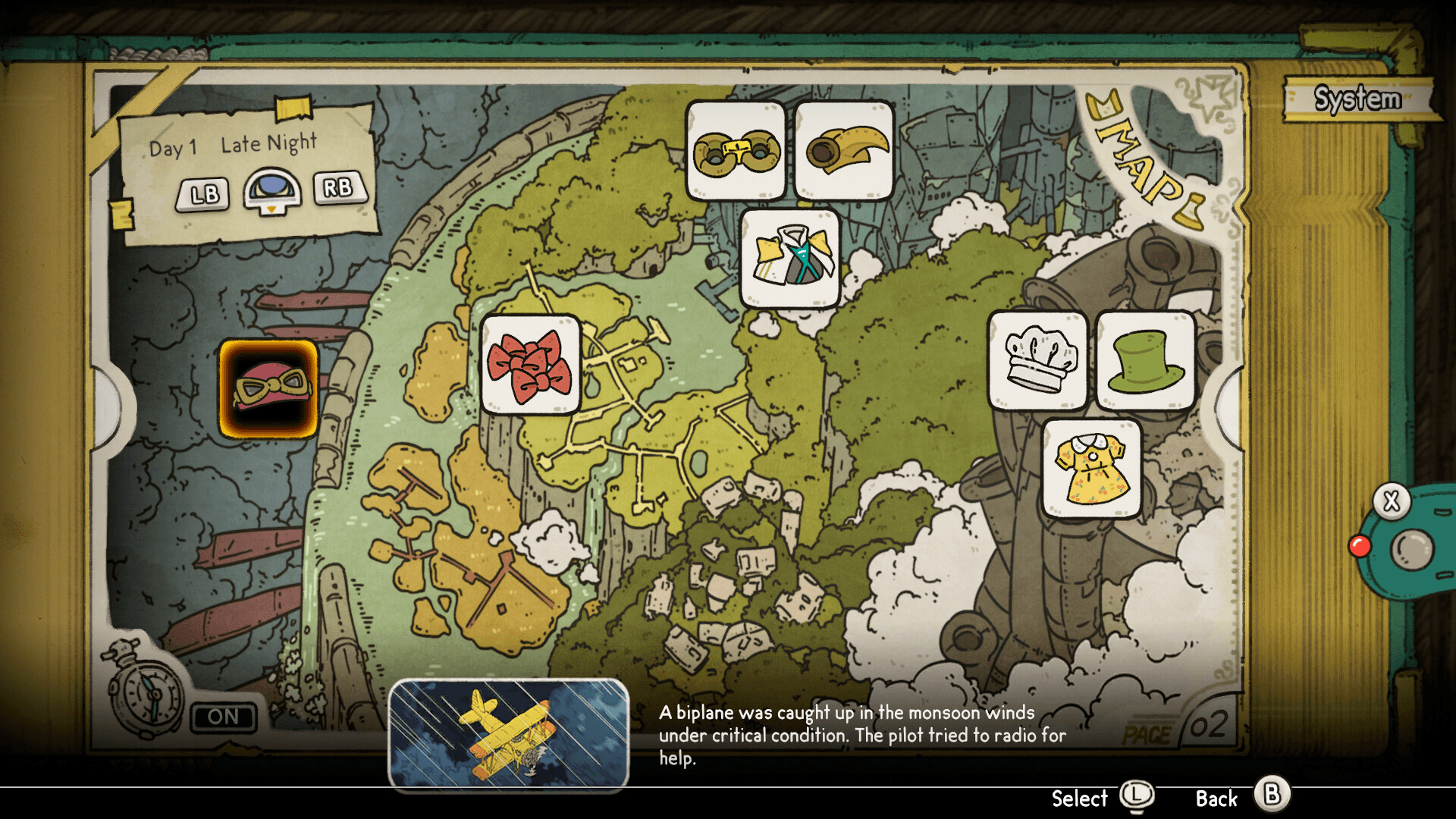
The systems and the art style are fused. Every location starts as a blank pattern and lights up only after the player explores it, with extra indicators layered on top — an excellent linkage between narrative and the achievement system. The map also has a timeline mode: the more of the picture-book world players explore, the more details and key events surface on the map. Players act like detectives gathering clues to fill in the plot, interacting with the storybook in real time.
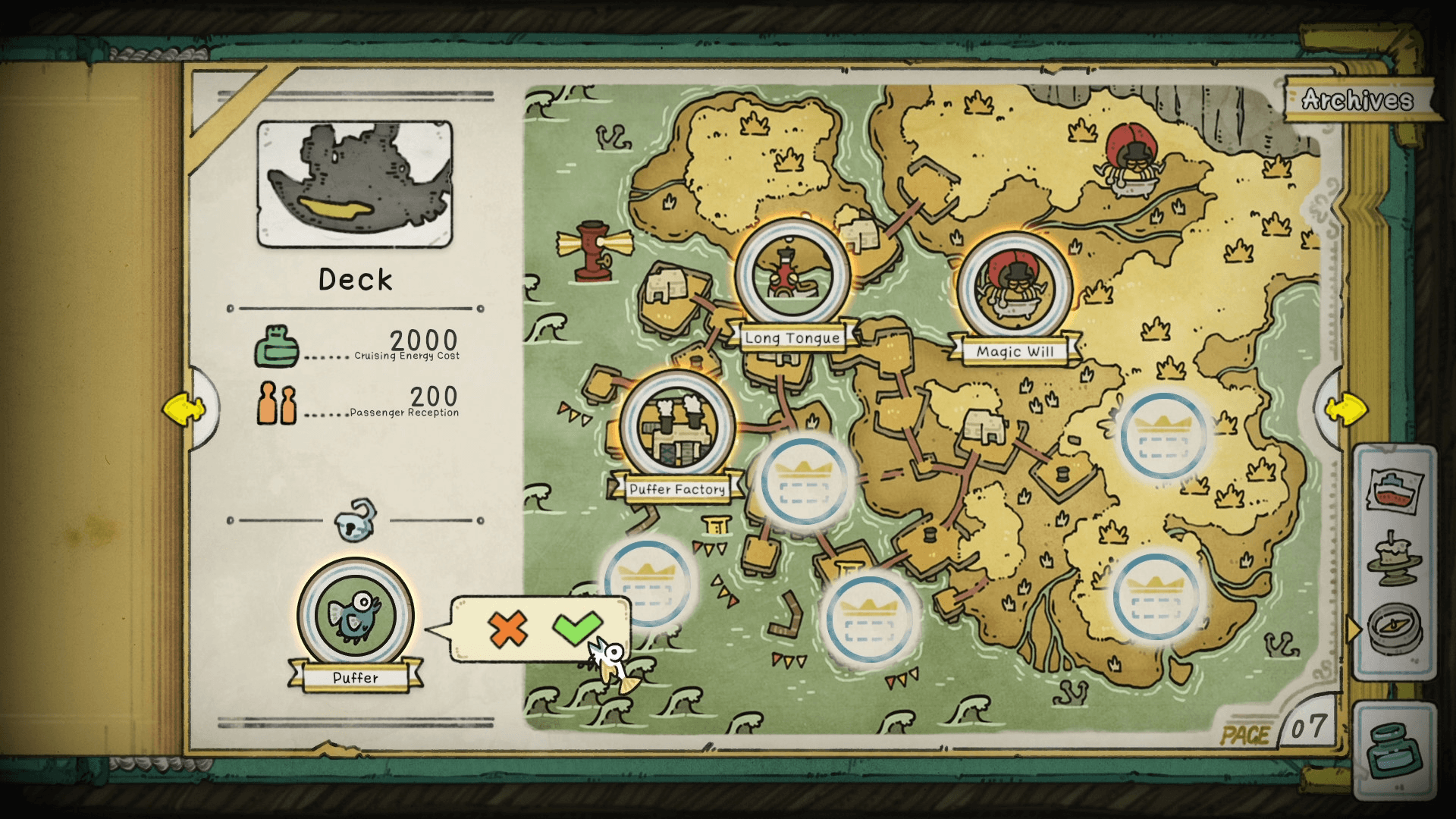
中文对照:游戏系统与美术风格融合。开始时地点都是空白图案,玩家探索过的区域才被点亮并出现更多指示,把剧情和成就系统做了很好的联动;地图的时间线模式会随探索增加展示更多细节和关键事项,玩家像侦探一样在故事内搜集线索补充剧情,与绘本实时联动。
The hint-and-guidance system is the game's most distinctive puzzle device. The core loop is the butterfly effect — changing tiny events to shift the story's overall course. By steering picture-book characters to key events and reasoning out their logic inside the storybook, players receive gameplay hints that point to the exact "butterfly" that needs changing. The approach is highly intuitive, fits the art style, lowers puzzle difficulty, keeps players from getting stuck, and lets the story flow.
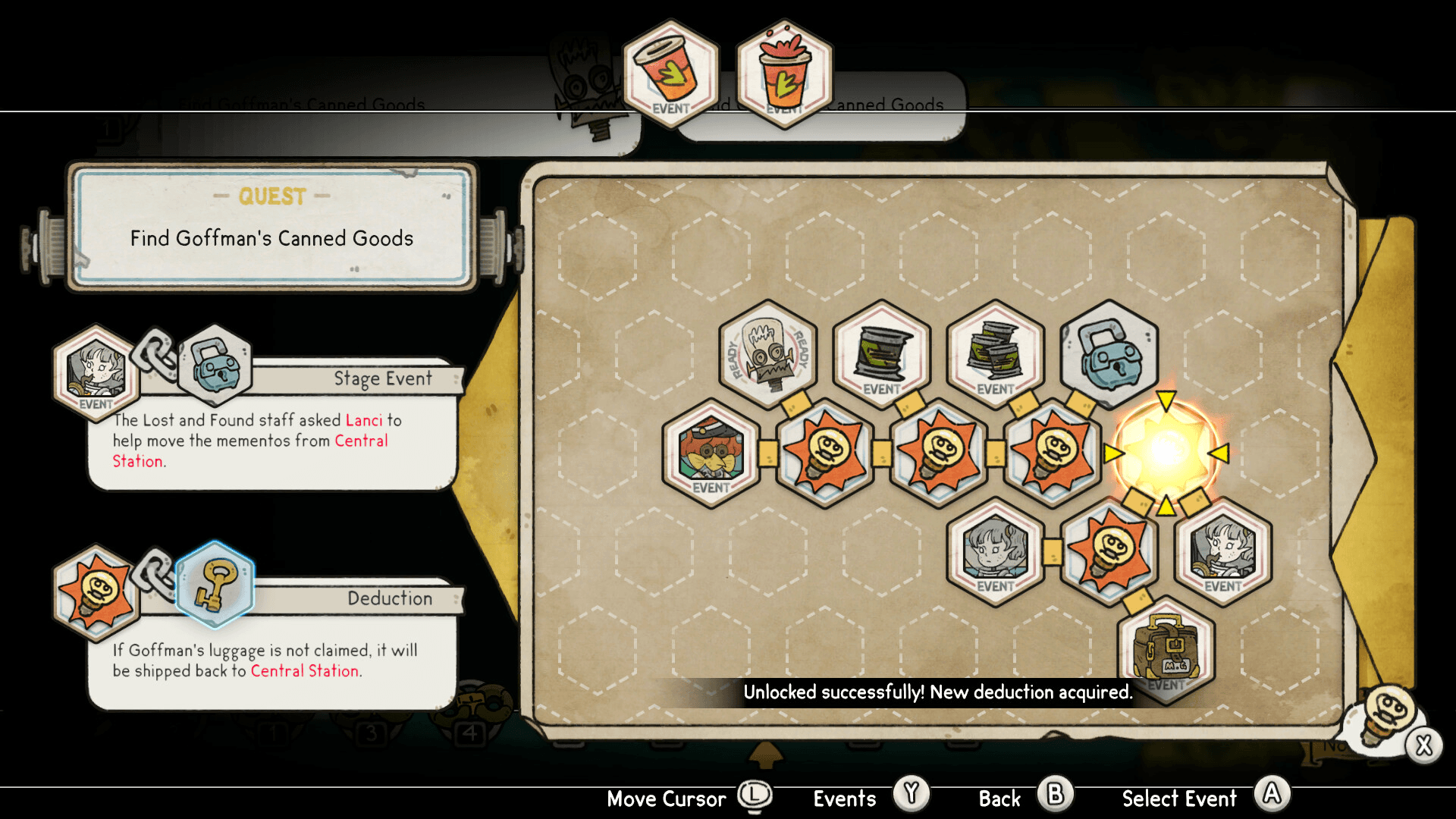
中文对照:提示指引系统是游戏最有特色的解谜方式。核心玩法是蝴蝶效应——改变微小事件让故事走向整体变化。玩家控制绘本角色找到核心事件,并在故事书中进行事件逻辑推理,就能得到玩法提示,从而找到需要改变的“蝴蝶效应”。这种直观且贴合美术风格的形式降低了解谜难度,也防止玩家卡关,帮助故事更好进行。
Applying the Picture-Book Style in Other Games
(A) Match Dialogue Bubbles to the Art Style and Add Small Expressions
Images often carry more force than text, and emotes are a common way for players and characters alike to express feeling. Even a hardcore MOBA like League of Legends ships plenty of emotes for player expression. Beyond the players, letting in-game characters use small expressions during narration makes the storytelling far more vivid.
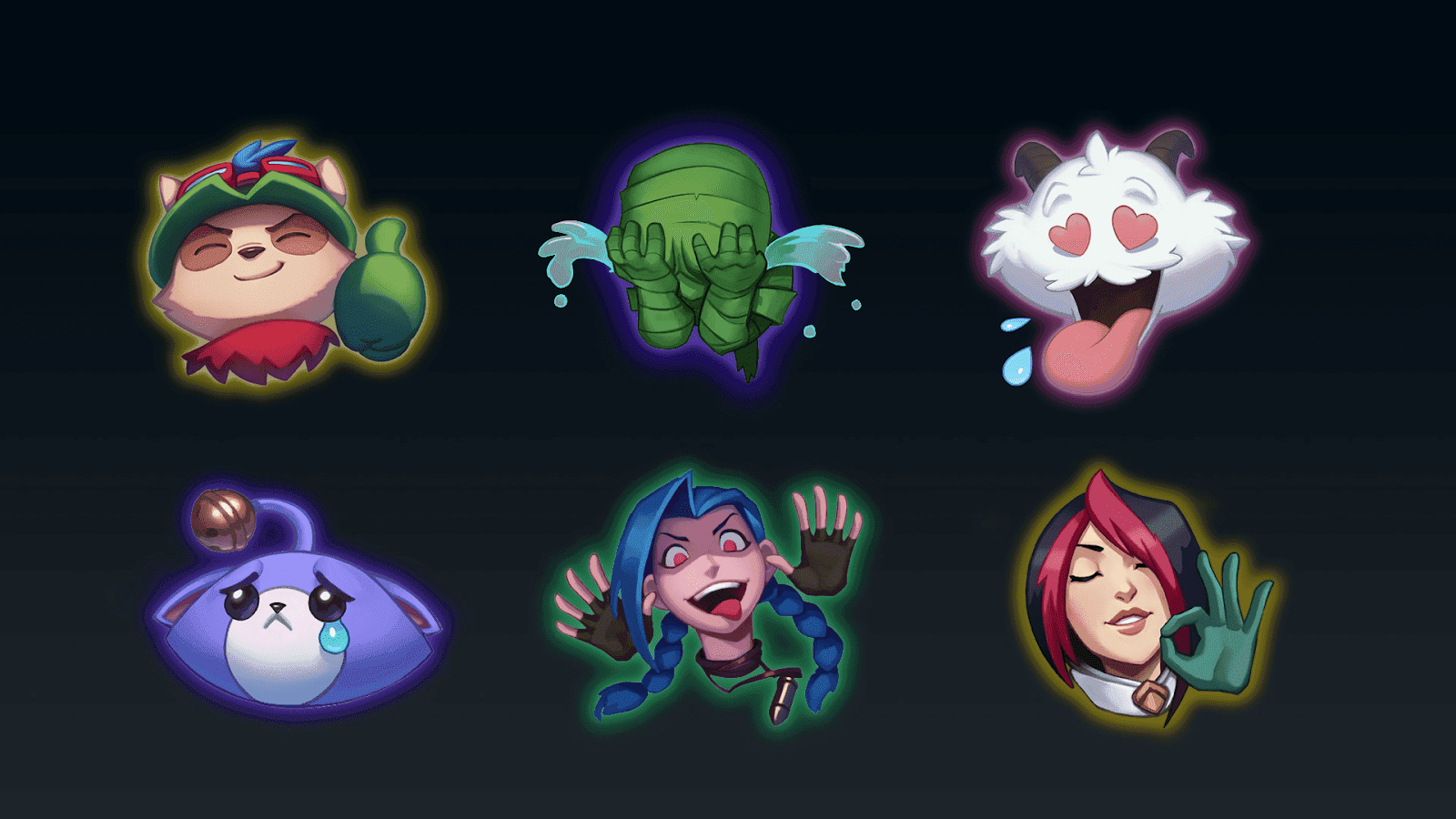
中文对照:图片比文字更有影响力,表情包是很多玩家或角色表达心情的方式。硬核如 MOBA 游戏《英雄联盟》也出了很多表情包。除了玩家,让叙事中的游戏角色也使用小表情,会带来更生动的体验。
(B) A Storybook Can Thread the Narrative Together
The storybook is not limited to picture-book tales — it is an excellent carrier for achievement systems. The memorable storybook in It Takes Two both drives the plot forward and records the players' journey. As narrative keeps gaining weight in game design, the immediate feedback players receive largely comes from achievements, and the storybook's visual form is well worth referencing.
中文对照:故事书并不局限于绘本故事,也是非常合适的成就系统载体。《双人成行》里令人印象深刻的故事书,既帮助剧情发展,又记录玩家的游戏点滴。玩家在游戏世界获得的及时反馈很大程度来源于成就系统,故事书的可视化形式值得借鉴。
The devices discussed above, in one view:
Device | Seen in | Why it works |
|---|---|---|
Papercraft / pop-up book as the medium | Don't Starve, Rustle | Brought the style into the mainstream; the whole game lives inside a book |
Dynamic speech bubbles | What Remains of Edith Finch (Barbara chapter) | Adds visual impact without clashing with the art style |
Emotes in dialogue | League of Legends | Images beat text for expressing emotion, even in hardcore genres |
Storybook as achievement carrier | It Takes Two | Advances the plot while recording the players' journey |
中文对照:一表总览——纸片/立体书载体(《饥荒》《Rustle》)、动态对话气泡(《艾迪芬奇的记忆》芭芭拉章节)、对话小表情(《英雄联盟》)、故事书作为成就系统载体(《双人成行》)。