Local canon Diary Aalto24
#Play Diary, #Personal Reflection
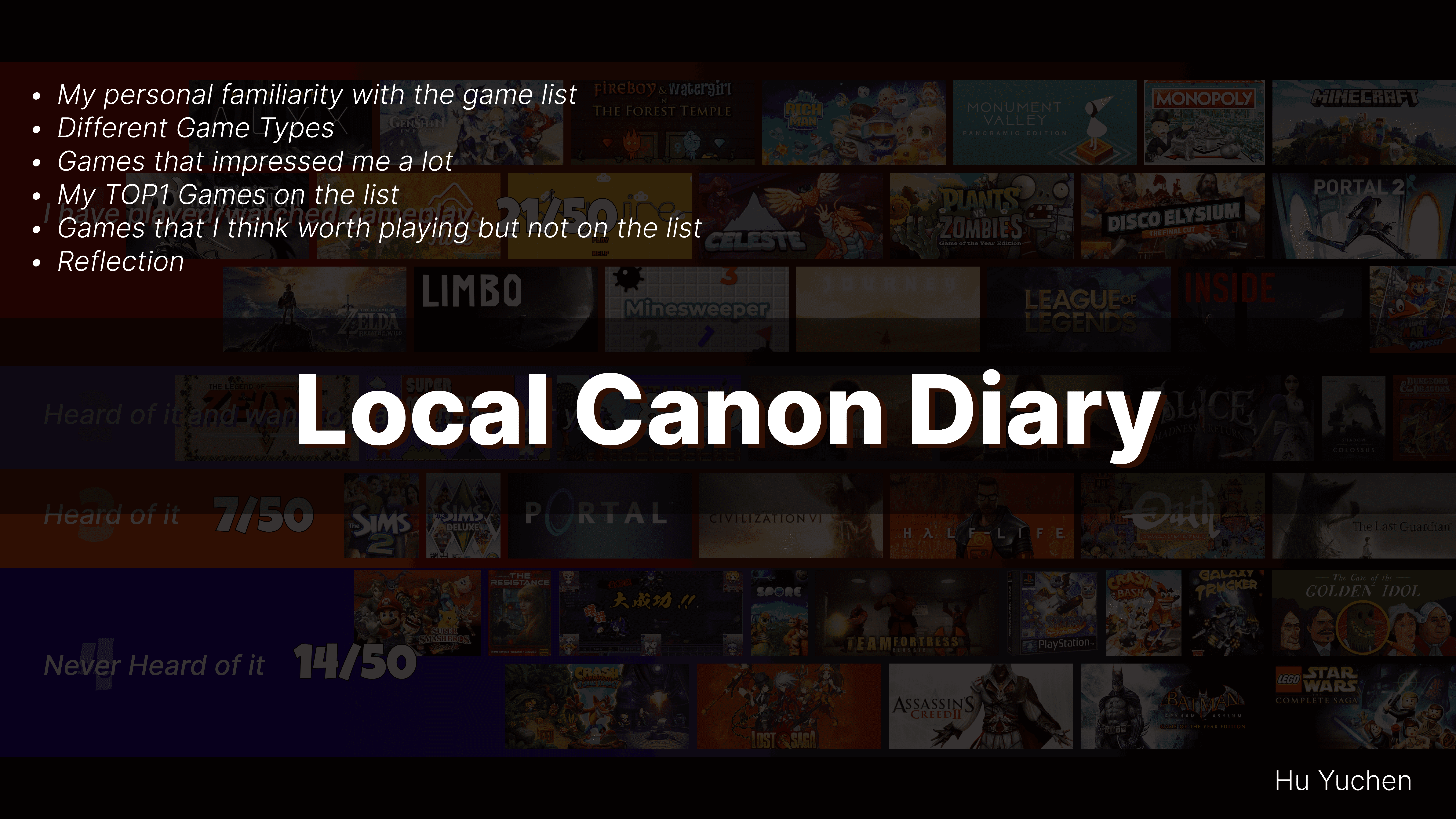
My personal familiarity with the game list

Game Type
As mentioned in class, it's often challenging to create a definitive categorization since a single game can have multiple characteristics and overlaps. Therefore, my categorization is based on my personal experience and is quite subjective.

Game Type: My thoughts on it
Most of the games are PC or console games, with only 2 mobile games. We discussed this issue in class and also listened to a lecture on Narrative Design. Stories can leave a lasting impression on players, while mobile games aim to keep players engaged continuously, meaning designers intend for them to never really end. So, when everyone shared their top games, they tended to think first of those with complete narratives.

I started with catalog 2...

These two games that I haven’t played before are the predecessors of games I have played, so I felt a lot of similarity in gameplay and found valuable elements in them, even though they are quite old. Super Mario Bros& Super Mario Odyssey, Legend of Zelda& Legend of Zelda: Breath of the Wild.
Super Mario Bros (1985)

It's amazing that Super Mario debuted so early on the Famicom, marking a significant milestone in the history of the Mario series and ultimately becoming one of the most famous and successful IPs in the gaming industry. Watching the gameplay video, I was struck by its simplicity and purity—jumping and using skills to explore the world. Both games share this core gameplay, highlighting something I think is essential in game design: the joy of a player’s childhood. The game is so innocent and kind, allowing you to do almost anything and giving you feedback, even if some actions seem silly. The game anticipates and embraces these moments, creating an experience that feels joyful and pure every time you play.
Legend of Zelda
Although The Legend of Zelda: Breath of the Wild is often described as an open-world game, it's actually built from sandbox-style levels and structures, similar to the prototype of the original game. The world is divided into small sections, each with puzzles and stories within specific regions, and these larger areas combine to form the main storyline of the game.

Alice Madness Returns
This game feels like it doesn’t belong to the year it was released because its gameplay and art are truly impressive. Although there are some issues with performance optimization and occasional frame drops, they don’t detract from the overall experience. It’s also the first game on this list that I’ve personally played. I think there are three points that make it a standout game: the beautiful art style with a gothic touch that blends 2D and 3D elements; the smooth camera movement and responsive controls, making the action sequences feel extremely satisfying; and the clever integration of weapons with environmental puzzles.

Death Stranding& Shadow of the Colossus
Death Stranding was one of the most impressive games that initially attracted me, and I was excited to try it. However, after about 10 hours of gameplay, I realized it wasn’t quite suited to my taste. I can’t deny it’s an immersive game with incredible art and audio design, which really pulls you into its world, but this immersion also brought aspects I didn’t enjoy. The atmosphere felt dark and oppressive, every mission and delivery felt like it held the weight of countless lives, with the game often emphasizing that I was the “only one” capable of completing these tasks. This intense responsibility and the game’s atmosphere heightened my stress during missions, making each stealth sequence tense and each return to base the only brief relief.
Unlike Death Stranding, I found myself enjoying Shadow of the Colossus much more, even though both games are story-driven. I discovered that Death Stranding was influenced by Shadow of the Colossus, but in my opinion, Shadow of the Colossus achieves a better balance between narrative and gameplay. This difference may be partly because I watched a playthrough of Shadow of the Colossus, allowing me to skip the challenging parts and enjoy the epic boss fights and story, whereas I played Death Stranding myself and felt more pressure rather than enjoyment.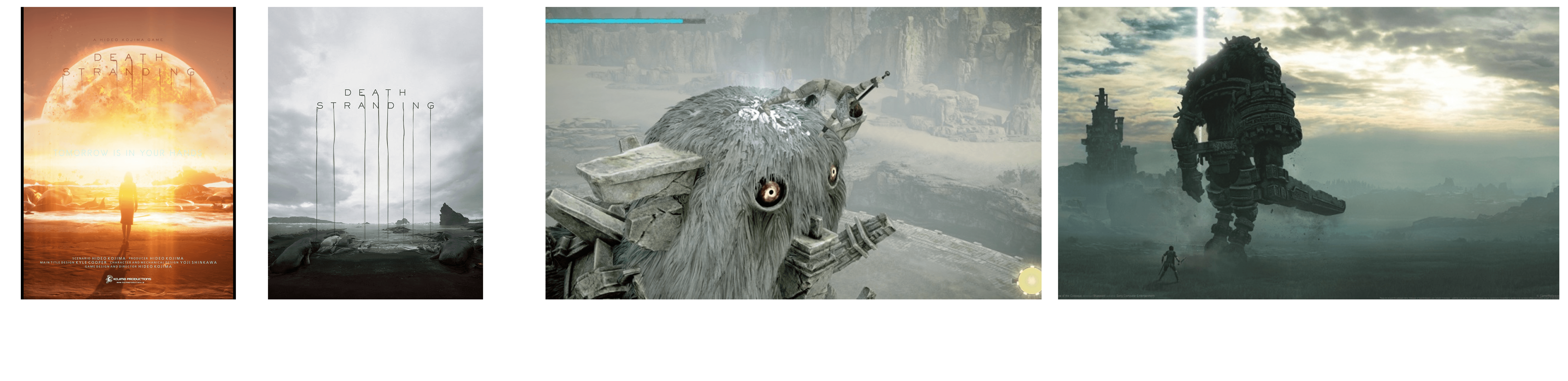
The Last of us
Among all the story- driven games on the list ( I have played Disco Elysium before and really enjoyed that, but it’s not the game I played during this course time) I think The Last of us is the best.
For story-driven games, the most crucial element is immersion. No one wants to watch a story that feels irrelevant to them. The player must believe in the story's authenticity and empathize with the characters to truly immerse themselves and feel like a part of the game. After watching a complete playthrough of The Last of us, I was really moved. The gameplay is similar to other narrative-focused interactive games, where choices allow players to influence the story's progression. However, aside from the choices players can make, many of these choices are more like ‘inevitable decisions,’ guiding the story along a predetermined script that ultimately merges the player with the character, fostering a protective instinct toward the protagonist.
Unlike Death Stranding, which made me feel like an extraordinary hero, The Last of us tells a simple yet profoundly relatable story that truly touched me. Games that tell a well-crafted story make for excellent narrative experiences. The game's art and UI design are also outstanding, with every aspect contributing to this exceptional game. By the end, I found myself hoping that the characters in this parallel world could live out their dreams, as I wouldn’t want to face such complex moral dilemmas in real life. The story and ending left a lasting impact on me.
Dungeons and Dragons
I’ve known about Dungeons and Dragons (D&D) for a long time but haven’t found the time to play it because it requires a lot of setup, gameplay, and resolution time. I always wondered why these complex mechanics have to be handled manually. Computers could make things easier—just like the game Baldur’s Gate 3, which is based on D&D rules. Reflecting on my gaming experiences, though, I realized one major difference with physical tabletop games: you can’t reload. When I play Baldur’s Gate 3, I usually save before an important check, reloading if the dice roll fails, which lowers the difficulty. Although it’s not a great habit or the designer’s intention, it saves time and reduces the gameplay cost.
My first introduction to D&D was through the show Stranger Things. I later downloaded the D&D manual, but it was so long that I lost interest. I’ve been trying to get into the game but haven’t found friends to play with. Recently, I watched some videos where people shared their experiences with D&D and explained why they love it. I hope I’ll have a chance to gather some classmates to try it out sometime!Stardew Valley
I’ve played many simulation games and enjoy Animal Crossing, which is similar to Stardew Valley. After downloading Stardew Valley, I found that the two games have significant differences. Stardew Valley offers a deeper farming system, allowing you to plant crops, brew wine, and sell products, along with meaningful interactions with characters and NPCs, creating emotional connections.
The game's save system is both loveable and frustrating; it forces you to complete tasks within a day to save your progress. This design keeps you engaged, as you can't pause easily, yet it also encourages players to plan their activities to avoid forgetting anything for the next play session. I haven’t played Stardew Valley for long, but I already feel its charm—on the first day alone, I played for 8 hours!
And then Never catalog 3...


For those similar games
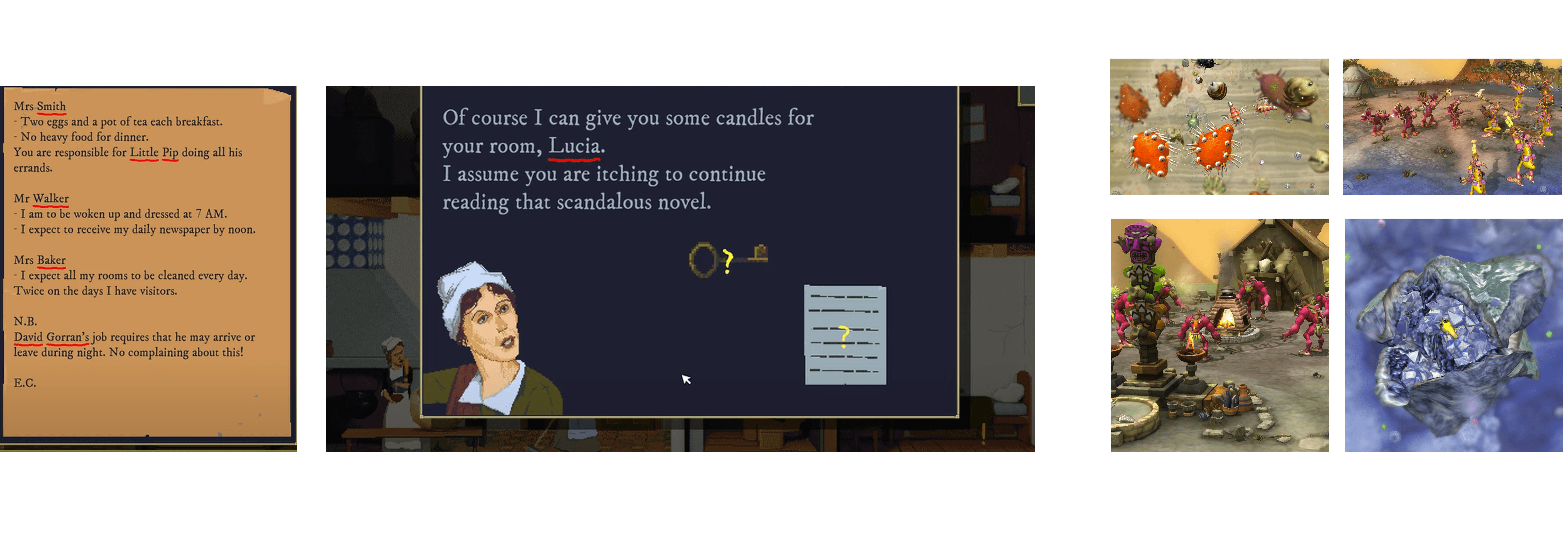
All the games on the list are worth playing, but many of them share similarities, particularly among adventure games (RPGs). Essentially, they often revolve around different stories, allowing players to experience various characters and worldviews. Party games follow a similar trend, primarily focusing on competitive and cooperative experiences for multiple players.
In this context, I want to highlight two games that left a lasting impression on me: The Case of the Golden Idol and Spore.
For those I heard of...

My top game that I played before but would like to share
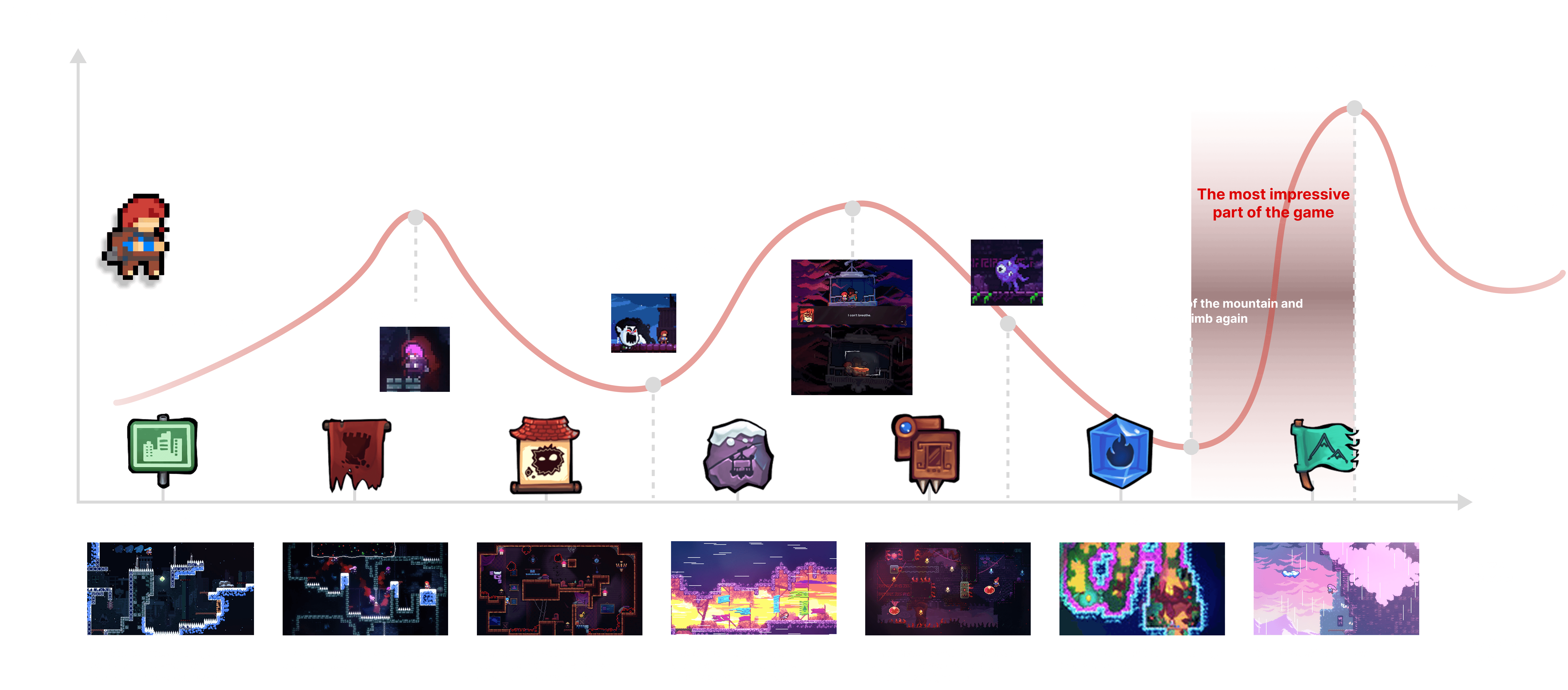
I think Celeste is a game that brilliantly merges narrative and level design—it’s my personal standard for independent games. After completing the mountain climb, I felt an unparalleled sense of achievements. Each level and boss fight is crafted around the player’s emotional journey. The game gradually guides players to improve their skills, and in subsequent playthroughs, as players’ abilities increase, they can discover “shortcuts” and speedrunning techniques, greatly enhancing replayability and community engagement. Even now, there are many developers creating custom mods and levels for Celeste.
Some games that I felt a pity not on the list
*Still want to recommend that!

// KEEP READING
Explore more posts